Proactive Pitches – 5 things to consider

8th October 2026

Sometimes you might find that a client is having a quiet month in terms of news they can share. If this happens, we take a proactive pitch approach and have 5 things we look at:

Spokesperson pitch

Identify someone in the team who would be willing to be quoted on a specific topic. Include their title and a small bio about their career.

Trends

Tap into something relevant that might be trending in the industry for example if Dulux have announced their latest colour of the year, get your interior designer to speak on how people can incorporate this into their home. What is also good is to make a comment that is contrary to what is trending!

Reach out to journalists

Speak to journalists that you have a good relationship with and refresh them on who your clients are and what their specialist topics are so the journalist knows who to include in future pieces.

Reuse company blogs

Scroll through previous company blogs. There may be something that you can refresh or update such as hitting an award milestone e.g. achieving 50 awards or raising £100,000 for charity.

Pitch perfect

Pitching is all about timing. Maybe you pitched something in the past that may be more newsworthy now or there may be a new journalist who is writing a piece that would be happy to hear the pitch.

Share this article:

Lights, camera, action: Why video should now be central to your PR strategy

11th September 2026 by Philippa Probert

We know how important it is to always include a choice of high-resolution photos with a press release to illustrate a story but what about a video?

With the ability to captivate audiences and convey messages in seconds video is a valuable PR tool that I think we will see being used a lot more over the next few years.

We’ve started to see journalists and news desks ask for and accept videos alongside releases and, with some publications even having specialist social news desks,  it’s clear to see why video is taking over.

Video hosting platform, TikTok, is expected to hit over 2.2 billion users by 2027* and 9 out of 10** brands are already using video, with 87% of marketers reporting a direct increase in sales through video. So how and why should video be part of your PR strategy?

Videos can be used to share multiple messages; to launch a new product or collaboration, promote a businesses service, share positive testimonials or details about an upcoming event.

Viewers are likely to be more engaged watching a short video over reading a wordy news piece, especially when consuming news on their devices, hence why some brands now choose to go down this route more than the traditional methods.

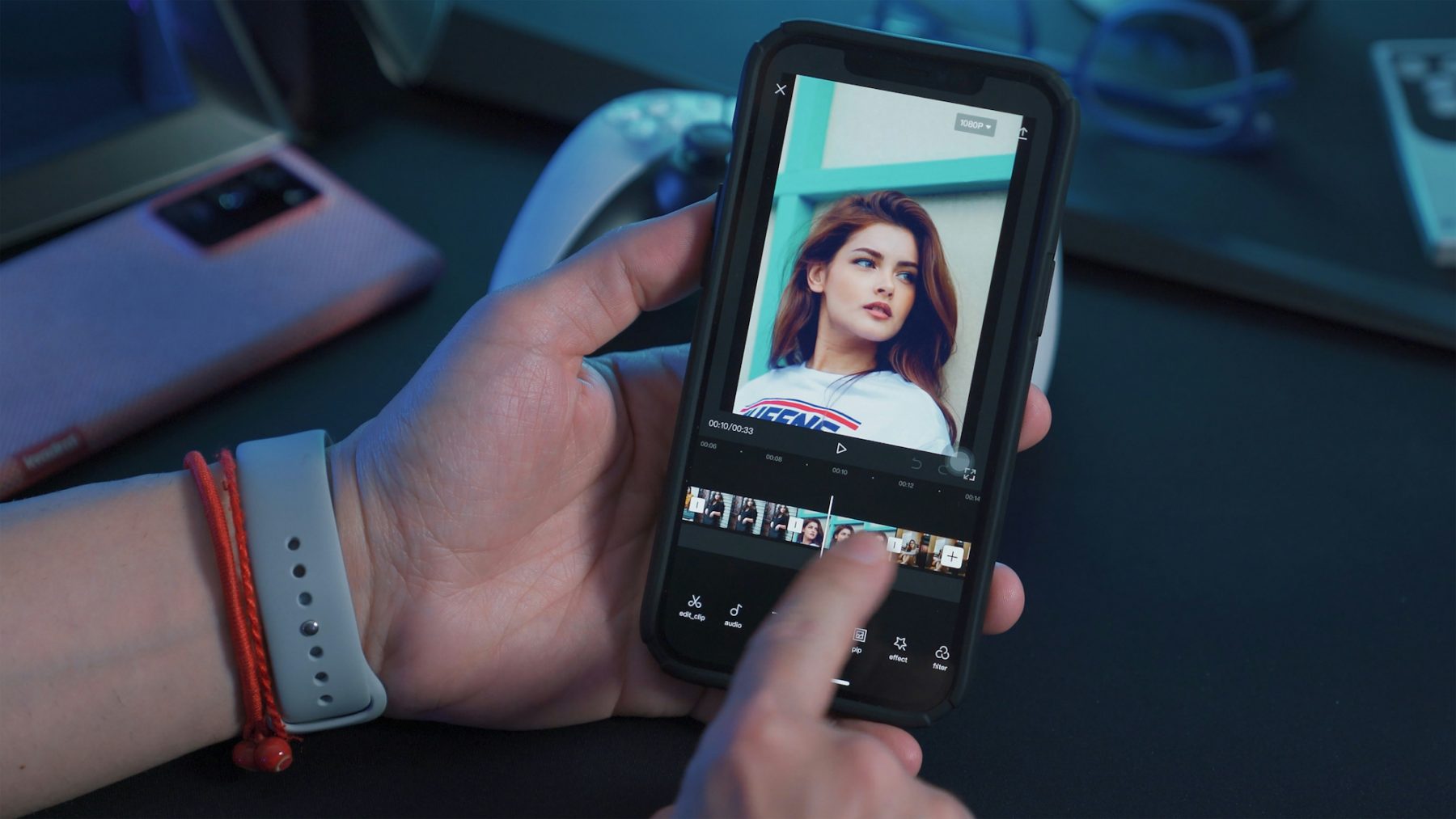
And making engaging videos doesn’t have to break the bank or need specialist equipment. Mobile phones have great cameras and editing apps such as CapCut can allow us to create specialist videos that are budget friendly, adding titles, music, captions and subtitles, as well as tailoring transitions and tempo.  

To make the most of video material, brands can use stories to build anticipation such as a sneak peek of something, they can go live to give viewers a countdown to the video being shared or use to go ‘behind the scenes’. Once the video is shared, brands can do a follow up Q&A or bloopers (great for increasing engagement as it shows personality behind a brand).

Video, and especially short-form video, are here to stay and will continue to help brands get their messaging out there.  Companies who focus on creating content that stands out, as well as trying different content to see what resonates with the audience, will reap the rewards.

Some of our predictions for the future of video include:

  • Soon video content will accompany written press releases just as much as still images, maybe even instead of
  • Experts who provide commentary or a statement may do so via video format as well as a written comment making it perfect for news websites and social media platforms
  • Short-form videos will continue to be in demand giving brands just a few seconds to capture their audience with concise messaging
  • Live streaming will be used more often by brands seeking genuine, in-the-moment interaction with their customers

If you want us to help with your video strategy, drop us an email beinspired@activepr.co.uk

Share this article:

Why should your business be using LinkedIn?

17th April 2026 by Natalie Tomlinson

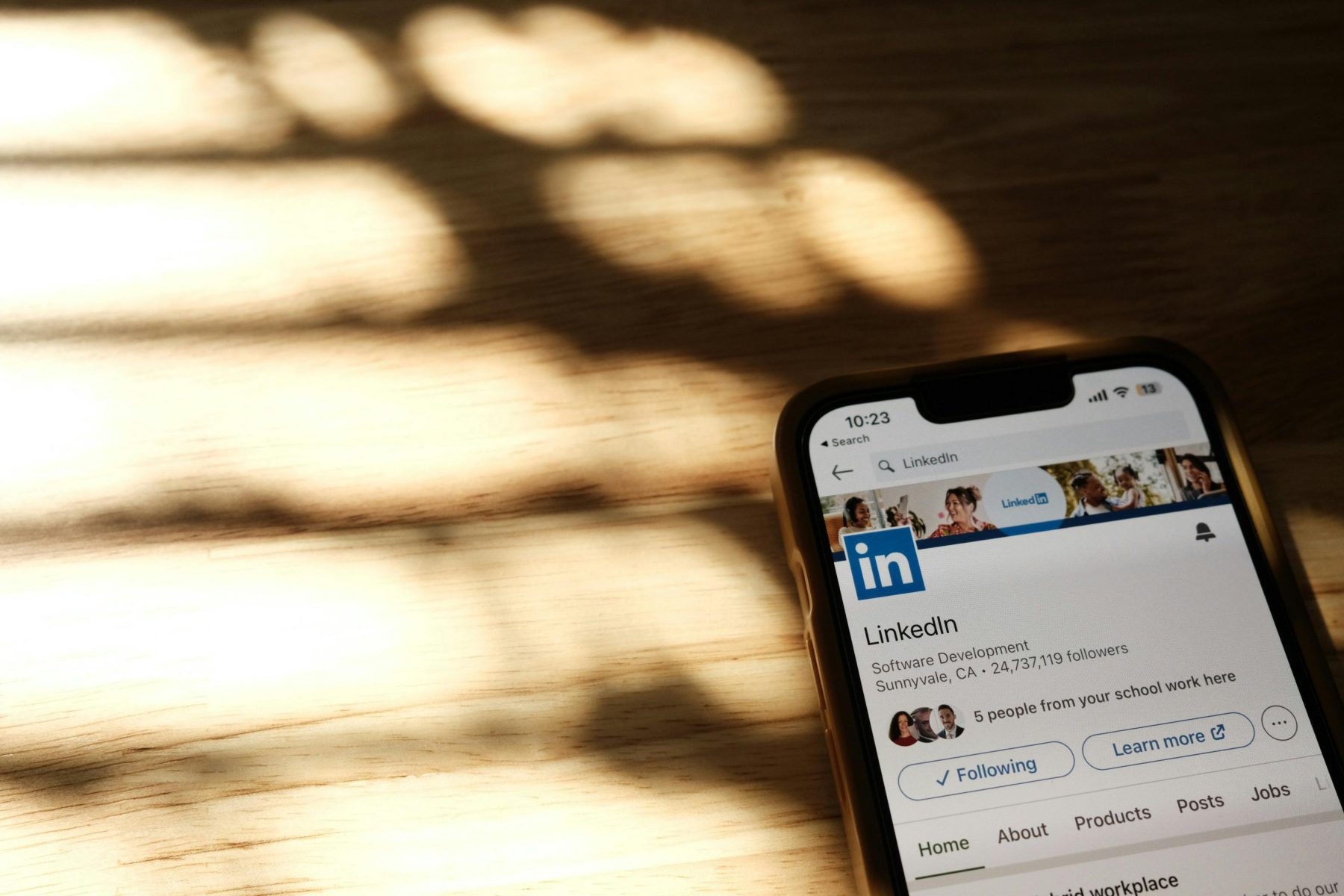
LinkedIn is a professional networking platform. According to www.statista.com its users in the UK are on the up, growing from almost 20 milllion since 2017 to around 43 million in 2025.

LinkedIn is a great platform to raise your personal profile, allowing members to connect, build a professional network and share content. But it is also a very powerful tool for businesses.

Let us tell you why…

  • Shout it from the rooftops

LinkedIn allows you to showcase your business… to the world of business. Sharing not only your news, but also your connections. Been for a coffee with your accountant (post about it and tag them); gained a new client (post about it and tag them); want to thank your printers for a good job (I think you get it now!).  

  • Drive traffic back to your website

If you’re updating your website on a regular basis with news, blogs, events etc then why not let everyone know? Post a small snippet on LinkedIn with a link back to the full details on your website. Driving traffic back! This is also a good time to remind you… don’t forget to add your web address to your page.

  • Hiring?

LinkedIn allows you to post job adverts. And don’t forget even if you haven’t used the platform for hiring purposes it will be one of the first places a potential employee will look for further information on your business. Another reason to keep all your details up to date.

Leading into…

  •  Connect with your employees

Ask your team to add your business to their employment status so anyone searching for your business can see your team members… putting faces to the names is always a plus! It’s also a good idea to ask your team to share your news and updates with their network.

  •  And finally…

Don’t rush your posts. Plan them and, most importantly, don’t just post for the sake of it. Your content should either engage, entertain, educate or inspire. Add as much value as you can to each post to drive interactions.

Social media is one of our fortes and we help clients across all sectors to engage on social media. So if you would like a hand then drop us a message – you can find us on Twitter, Facebook and LinkedIn.

Share this article:

PR in 2025: The chasmic changes and trusty traditional methods that still work

2nd September 2025 by Kate Logan

It’s already September! We know, we can’t believe it either. As we hurtle towards the last quarter of 2025, it’s time to look back on what’s been one of the most pivotal years in the industry, well, ever.

PR has changed. We say it every year but this time it feels more pertinent than ever. Press releases still have their place, but they aren’t enough anymore. In 2025, brand communications have become more visual and data-driven. And, in a world where it feels AI is taking over, there is a need to be as human as possible, to retain trust and authenticity.  

With our focus here at Active PR on the property and construction industry, we look at the lessons we’ve learnt this year and the innovations brands can take on board.

1. AI can guide but humans must decide

“Never start with a blank page” is about the best piece of AI-related advice I’ve been given this year. It’s the personal assistant we’ve all always dreamed of, helping to boost productivity but it still needs a human guide.

AI is brilliant at spotting trends, generating all manner of content and giving a steer on just about everything, but it hasn’t yet overtaken human judgment or creativity. You get out what you put in and, most important to remember in this business, it’s not always accurate.

It’s still up to us to provide the creative input and context to generate a meaningful output and do due diligence on its output. One AI expert recently told me AI is still “the wild west” and human judgement is as important as it’s ever been. This is particularly true in the field of public relations, where a brand’s reputation and credibility are at stake.

2. Creators add credibility

The days of bringing in a big-name celebrity to endorse your brand or product may be numbered. People build trust through meaningful interactions and find connections with influencers and creators online who reflect their own lives, interests and values.

Reach was once deemed the sole indicator of value and now trust matters more. Smaller creators are often more influential than celebrities because they’re relatable. For housing developers, that could mean partnering with local voices who understand the community and can tell the story authentically. One client recently told me they’d seen their biggest spike in enquiries from an Instagram reel by a hyperlocal influencer with a following of less than 50k.

3. Visuals that create impact

Construction and property are visual industries, so it stands to reason thattheir communication should be too. This year we’ve had success selling in stories to media with drone film footage, virtual walkthroughs and aerial images, while customer stories with a human face have been as popular as ever. Filming tends to be more expensive than still photography, yet it’s often worth the investment  as it  can make an impact across multiple platforms and through both earned and owned content.

4. Sustainability leads the story

Green credentials are front and centre of our clients’ business goals. Consumers and stakeholders expect to see this messaging across all comms. From low-carbon technology and biodiversity to support for community groups working to make their environment greener, communication around sustainable developments, backed up with evidence, is now key to building a strong reputation.

5. Using your people as storytellers

This is a well-trodden path that still rings as true as ever in 2025. If you want to engage journalists and the public, then your people, including leaders of your business, need to be the face and voice of your brand. A well-thought-out media comment from a managing director or interior designer can often make a bigger impact than a traditional press release. Position them as experts in their field and don’t be afraid to show their human side, whether it’s in a LinkedIn post, press release quote or through a thought leadership article.

6. Case studies build trust

Trusty case studies remain one of the strongest tools in our PR locker. This can be a focus on a client’s latest product or development to showcase how they stand out in the market or how they are making a difference to local communities.

Or it can be a testimonial from a purchaser to provide a third-party endorsement for a company. Again, this is all about helping potential customers to trust in a brand, when they hear from others who’ve experienced it firsthand. And they make great human-interest content for socials too.

To sum up, PR in 2025 is faster and more visual than ever. For the property and construction industries, it’s an opportunity to combine great images and film with authentic stories, to build a communications strategy that really stands out. The impact of AI as a tool to become more productive and support creative thinking is undeniable, but there’s a need to retain the human touch to make real connections and meaningful engagement.

It’s a little early to say this, but we already can’t wait to see what 2026 brings!

Share this article:

Life in Property PR

17th June 2025 by Kate Logan

As a nation, we love talking about property and having a nose around other people’s homes. That does give us PRs a small head start when it comes to promoting our property clients – and can really work to our advantage when pitching case studies.

However, that’s not to say it’s a straightforward sector to work in and there are lot of things to consider before you embark on a career in property PR.

Working in property public relations is interesting. It can be unpredictable, it’s occasionally complex – but generally very rewarding when it all comes together.

With new ways to reach audiences and a constant stream of developments in the pipeline, from heritage mills in Greater Manchester to brand new neighbourhoods rising from brownfield sites in North Wales, every day can bring something new. It’s probably that variety that keeps so many of us working in the sector for so long.

Clearing up the misconceptions

There’s a tendency to think it’s just about press releases and launch events. In reality, there’s a lot more that keeps us busy.

We help developers and communities tell stories about transformations, the growth of new neighbourhoods and the people who live there. We’re part translator, part storyteller, part strategist. We’re the ones turning 84 pages of a planning statement into a news angle a local journalist will want to cover and crafting social media posts that drive engagement from homebuyers.

We can’t guarantee a property tour video will go viral, but we can suggest a solid content plan instead, backed up by experience, expertise and a team that will do the legwork.

High expectations

It’s true—some projects come with ambitious timelines and goals. But one of the great joys of working in this field is partnering with clients who genuinely care about what they’re building and value what good communication can achieve.

Some clients are an absolute dream to work with: collaborative, clear, and committed to getting things right, not just fast. They understand that a good story is built, like a good scheme, on solid foundations. And they don’t mind when we gently nudge for more information or push for better images – absolute heroes!

When the client-PR relationship clicks, there’s a real sense of partnership.

The colleague camaraderie

No one understands the chaos of an embargo mix-up or a 4pm call from a newsdesk quite like your immediate team. And I wouldn’t swap the Active PR team for anyone.

There’s something special about working in a tight-knit group who can laugh through the confusing jargon and rally round when you’re juggling organising five events.

We’ve all shared those late in the day moments of “just one more email…” before an event, and the giddiness when a regional feature goes live. You learn to celebrate the little wins.

Always learning

I’ve worked in property PR for quite a few years now, but I’m still learning and it’s never dull.

It’s a job that evolves constantly. Every development strategy, every net zero target, every new community created offers something new to learn, explain, and support.

You can be on a call about developing a golf course in Cheshire one moment and planning a stakeholder event in Lancashire the next. And when you see something you’ve worked on take shape, secure a media feature or receive positive feedback from a client, it’s a great feeling.

This job is about people just as much as places. And our team is proud of the relationships we’ve built over many years and the stories we’ve been lucky enough to tell.

Photo by Artful Homes on Unsplash

Share this article:

How to measure PR success

28th May 2025 by Philippa Probert

Understanding the real impact of PR can sometimes be tricky to track. It isn’t just about getting media coverage or crafting compelling brand stories, it’s about influencing public perception, fostering trust, and driving business outcomes.

But how do companies measure the true impact of their PR efforts? While vanity metrics like press mentions and social media shares offer surface-level insights, real PR success requires a deeper look at meaningful indicators.

Here’s some key metrics for PR measurement:

1. Media coverage and quality

Probably the most obvious but monitoring media coverage is an essential first step, but it’s not just about quantity. Companies must analyse the quality of coverage, including the credibility and relevance of the outlets. If you’re an estate agency, coverage in a publication that centres on gardening wouldn’t be quality coverage as its readership won’t be your target audience.

The sentiment is another great way to measure the quality. Has the piece got a positive, neutral or negative sentiment? And finally look at the share of voice compared to other competitors. Which brand is more visible in the media and public conversations compared to competitors.

2. Audience engagement

PR effectiveness goes beyond visibility, are people engaging with the message? Metrics such as website traffic spikes, social media interactions, and content shares help gauge audience interest.

3. Brand reputation and sentiment analysis

Tracking brand sentiment through surveys, online reviews, and social listening tools provides valuable insights into how PR efforts shape public perception.

4. Lead generation and conversion

Ultimately, PR success is about driving business impact. Companies can measure how PR campaigns influence inbound leads, conversions, and customer acquisition.

5. Relationship building

Strong PR fosters valuable relationships with media, influencers, and industry stakeholders. Measuring partnership growth and media responsiveness can indicate long-term PR success.

Measuring PR success isn’t a one-size-fits-all approach, it’s about aligning metrics with business goals. By analysing sentiment, engagement, conversions, and reputation, companies can move beyond vanity metrics to truly understand their PR impact.

Want to optimise your PR strategy? Get in touch beinspired@activepr.co.uk

Share this article: